
China mosaic is better or Cool top premium
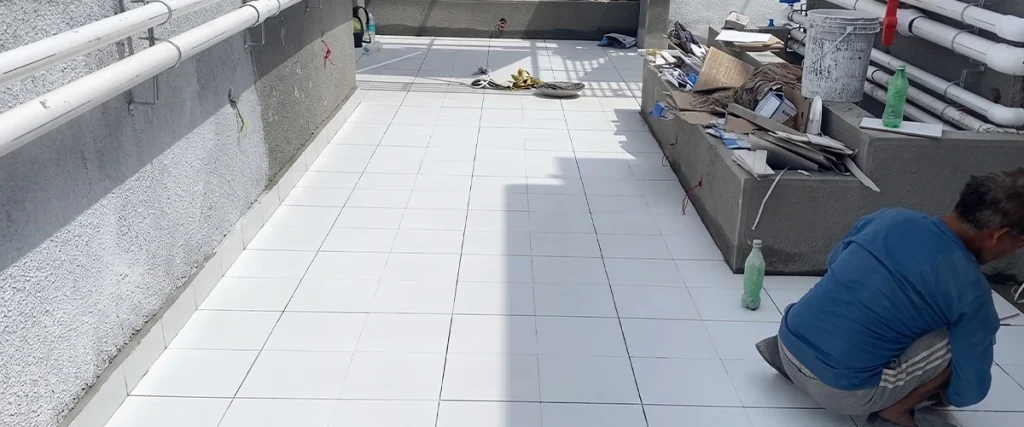
Benefits Of Choosing Panache’s Green Rated Products:
 Get Free Audits
 Get Free Quote
Our Partnership Programs

Cross complemented product and services providers can be enrolled under this partnership program (Roofing contractor, HVAC contractors, HVLS Fans supplier)
Know More

Any individual from consultation fraternity to execution contractors can participate in such a program.
Know More

DSA (Direct selling Agent) partnership program provides opportunities to become entrepreneur in COOL ROOFING industries to each and every individual who wants to make their career as freelancers.
Know More

Green Talk Initiatives

Partner with Panache Now !
Our Affiliations
We are associated with the leading organizations in India and abroad and are in constant engagement with them to further their efforts on environmental sustainability for our planet.











Client Success Stories
I really appreciate Neetu ma’am and the panache Team for giving us a perfect solution to the heat related problems we experienced.
Before the application of cool tops, the temperature level on the store was 52 ° C, but after the application of Cool tops there seemed a reduction in surface temperature by 4 ° C, the temperature in the area where I sit was 40 °C which has reduced to 37 °C, there is a substantial difference in the ambient temperature, Since last 4-5 months I’m not reducing the temperature of my AC below 28 , Even at 28 I couldn’t keep it for long as the room becomes cooler so I keep for few minutes and turn it off . I really appreciate Neetu ma’am and the panache Team for giving us a perfect solution to the heat related problems we experienced.

The result after applying cool tops from panache is you can see the smiling faces of our team after applying the coating system from panache .
This was an old shed so we had a direct roofing installed, no Insulation. We were very much clear after the discussion with Panache team that we should go for cool Tops coating instead insulation so the result is you can see the smiling faces of our team after applying the coating system from panache #GoGreenwithCoolTops

We took the temperature measurement of outside and inside premises. We noticed a good amount like you can say minimum 6 to 8 Deg C temperature difference.
Looking at the Indian climatic condition during summers, where the temperatures were going too high and whenever it goes up to the peak level, the temperature in the factory shop floor rises affecting the efficiency of the workers. We had a thought in our mind that is there any way to control the temperature, then we came across the Panache company and got in touch with them, after explaining them our problem they came to visit our factory. The team is very committed and technically competent to give us the exact solution for the temperature reduction at the factory. We noticed minimum 6 to 8 °C temperature difference. Thereafter, we received positive feedback from the workers so we decided to go ahead with another project in our office premises. As far as execution is concerned, Panache are experts in this domain. They even contacted us after completion of our installation and ensured that we were satisfied with the workmanship. If someone really wishes to reduce temperature in their premises, I would highly recommend Cool Tops coating from panache – I wish them best of luck for their future projects!

Their prices and services are definitely worth the solution given & treatment done with complete transparency.
I have hired Panache services for the waterproofing & Cooling Treatment on one of the roofs of Parul University premises. Their prices and services are definitely worth the solution given & treatment done with complete transparency. I can definitely recommend them to organizations & people looking for thermal comfort along with waterproofing solutions also.

Totally satisfied by the service received.
I am very impressed by their work on how they provide customized solutions for every problem we have & every task they take up.

The Indoor Temperature has decreased to almost 5 °C. Cool Tops provides Cool Buildings without ACs.
In one of our projects, we had a requirement where AC was not viable and people working under that premises were very much disturbed. To solve that problem, we have consulted Panache for the solution. Panache has provided the full proof solution and after the completion of the Cool Tops Installation, we were much relieved. The indoor temperature has decreased to almost 5 degrees. I could say Cool Tops provide Cool buildings without AC.

The experience for the quality of products with consistency is very appreciable.
I am an engineer & contractor taking turnkey projects. We have used Panache’s various waterproofing products & I recommend Panache's Cool Tops, the special 5 coat system which gives thermal comfort with sustainable performance. The experience for the quality of products with consistency is very appreciable.

I really appreciate their efforts for perfection & sound knowledge of the technology.
We have met the Panache Team from one of our friend’s references who have already taken the services. I must say, they are very professional in what they do. I really appreciate their efforts for perfection & sound knowledge of the technology.
