Cool surfaces give better thermal comfort or thermal insulation?
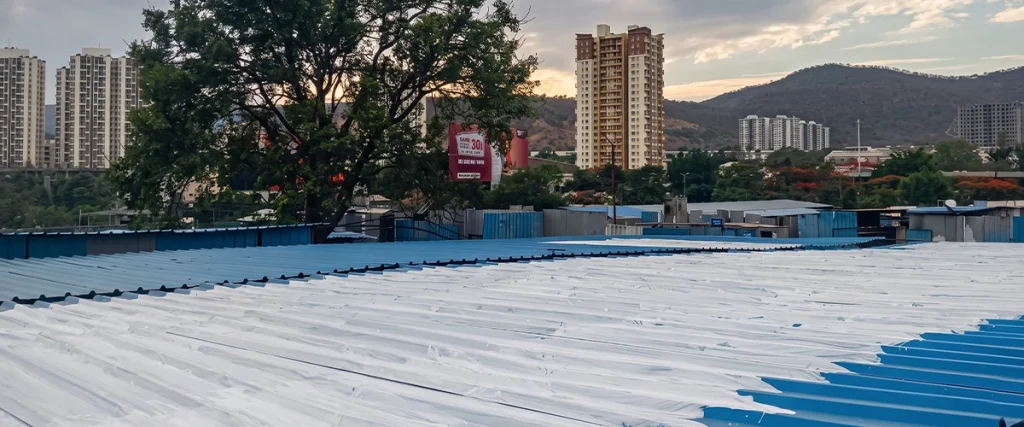
cool surfaces

Cool surfaces vs thermal insulation is not a competition with a single winner. Cool, reflective surfaces deliver faster, more directly felt thermal comfort by lowering radiant surface temperatures. Thermal insulation matters more for reducing total energy load and stabilizing indoor temperature swings across a full day-night cycle. A complete comfort strategy uses both, starting with the reflective surface.


Why This Question Gets Asked So Often

Building owners evaluating a hot roof or a west-facing wall usually arrive at two competing recommendations: apply a reflective coating, or add insulation. Both are valid interventions, but they solve different physical problems, and specifying the wrong one first wastes budget and delays the comfort outcome the occupant actually notices. Understanding the underlying heat transfer mechanism, not just the product category, is what separates an informed specification from a guess.


Radiant Heat Transfer vs Conductive Heat Transfer, Explained Simply

Every hot roof or wall transfers heat into a building through two distinct physical mechanisms, and each requires a different countermeasure.

Radiant heat transfer is the direct emission of thermal energy from a hot surface toward cooler surfaces and objects in its line of sight, without requiring any physical contact or air movement. A dark, sun-absorbing roof can reach 65-70°C on a summer afternoon, and its underside radiates that heat downward toward the ceiling and, in turn, toward occupants below. The human body senses this radiant load directly through skin and through the mean radiant temperature of a space, independent of what a thermostat reads. This explains a familiar complaint: a room feels warm and oppressive even while the air conditioning is running, because the ceiling above is acting as a low-grade radiant heater.

Conductive heat transfer, by contrast, is the transfer of thermal energy through a solid material, molecule to molecule, from the hot outer surface through the roof or wall assembly toward the cooler interior. The rate of conduction depends on the material’s thickness and thermal resistance. Building insulation exists specifically to slow this conductive pathway, which is why insulation performance is expressed as R-value or thermal resistance rather than as reflectance.

A cool, reflective surface intervenes at the radiant stage, before heat even enters the material. Insulation intervenes at the conductive stage, after heat has already begun moving through the assembly. That distinction is the entire basis for choosing between them, or more accurately, for sequencing them correctly.


How Cool Surfaces Improve Thermal Comfort

A reflective coating works by increasing the fraction of incoming solar radiation, particularly in the near-infrared band, that bounces off the surface instead of being absorbed and converted to heat. This is quantified through solar reflectance, thermal emissivity, and the composite Solar Reflectance Index (SRI) defined by the Cool Roof Rating Council (CRRC). A high-SRI surface simply runs cooler under the same sun load, all day, every day the sun is out.

Panache Green’s CoolTops Premium illustrates this mechanism with CRRC-tested data: an SRI of 109, 87% solar reflectance, and 0.86 thermal emissivity. Applied to a cement or concrete roof, it reduces above-deck surface temperature by 18-20°C; on metal roofing, the reduction reaches 20-25°C. Because the surface itself stays closer to ambient temperature, the radiant load it emits toward the space below drops correspondingly, which is reflected in a documented indoor temperature reduction of 4-8°C. This is a same-day, continuous effect, not something that accrues gradually over months.

For occupant comfort specifically, this is why cool surfaces are frequently the higher-leverage first intervention. They address the radiant asymmetry that the body actually perceives, and they do so without altering the building envelope’s mass or requiring interior disruption in most retrofit scenarios.


How Thermal Insulation Improves Thermal Comfort

Thermal insulation plaster does not change how much solar energy a roof or wall absorbs. It changes how quickly that absorbed heat, and outdoor temperature swings generally, propagate through to the interior. A well-insulated envelope has higher thermal resistance, so heat entering the outer surface takes longer to reach the inner surface, and the total quantity that gets through over a 24-hour cycle is lower.

This has two practical consequences. First, indoor temperature becomes more stable and more delayed relative to outdoor conditions, which is valuable in climates with large day-night temperature swings or in buildings that need consistent conditions overnight. Second, because less heat enters the conditioned space overall, the mechanical cooling system does less work, which is where insulation delivers its clearest, most measurable value: reduced energy consumption and lower total cooling load.

What insulation does not do on its own is lower the temperature of the roof or wall surface itself. A dark, absorptive, uninsulated-on-the-outside roof will still reach 65-70°C, and the space directly beneath a poorly insulated but still-hot deck can retain radiant discomfort even after insulation is added, if the surface facing the sun remains dark and absorptive. Insulation manages the rate and quantity of heat flow; it does not manage the source.


InsulMix and the Conductive Side of Building Insulation

Panache Green’s InsulMix range, including InsulMix Roof Screed and InsulMix Wall Plaster, addresses this conductive pathway directly, adding thermal resistance to the roof deck or wall assembly and reducing the rate of heat conduction into occupied space. Combined with the CIS Roofing System for insulated metal roof applications, InsulMix forms the conductive-resistance half of a complete building envelope strategy, complementing rather than substituting for a reflective surface treatment.


Cool Surfaces vs Thermal Insulation: A Direct Comparison


Factor

Cool / Reflective Surfaces

Thermal Insulation

Primary mechanism

Reduces solar heat gain at the surface (radiant heat transfer)

Slows heat flow through the envelope (conductive heat transfer)

Timescale of effect

Immediate, continuous through daylight hours

Gradual; effect accrues across the full day-night cycle

What it measures

Solar reflectance, thermal emissivity, SRI

Thermal resistance (R-value), conductivity

Impact on radiant comfort

High; directly lowers surface and ceiling radiant temperature

Limited; does not change source surface temperature

Impact on total energy load

Significant, especially on the peak cooling load

Significant, especially on total daily energy consumption and load stability


Which Should a Building Owner Prioritize First?

For a building where occupants report discomfort under a hot roof, particularly top-floor spaces beneath metal or RCC roofing exposed to direct sun, the reflective surface is generally the more responsive first intervention. It is typically faster to apply, less disruptive to occupied spaces, and produces a measurable indoor temperature change within the same season it is installed. Insulation becomes the priority where the goal is reducing total HVAC energy consumption, stabilizing indoor conditions against large outdoor swings, or meeting a building’s overall energy performance targets, such as those referenced in IGBC and LEED rating frameworks, which award credits for documented envelope thermal performance.

Neither should be treated as optional if the objective is a genuinely comfortable, energy-efficient building. Treating them as competing line items in a budget, rather than as two stages of the same heat transfer problem, is a common specification error. Radiant heat needs to be addressed at the surface. Conductive heat needs to be addressed within the assembly. A building envelope strategy that only manages one will leave the other mechanism unresolved.


A Complementary, Not Competing, Building Envelope Strategy

Panache Green approaches this as a single building envelope system rather than two separate product decisions. CoolTops Premium addresses the radiant, surface-level side of the problem, with CRRC-tested performance data supporting its solar reflectance and emissivity claims. InsulMix addresses the conductive, assembly-level side, adding thermal resistance where the roof or wall structure itself needs it. Panache Green’s 15+ years of building envelope work, across 50,000+ completed projects and more than 50 lakh sq ft of CoolTops coverage, has consistently shown that sequencing the reflective treatment first, then layering insulation where the energy load analysis justifies it, gives building owners the fastest path to measurable, occupant-felt comfort improvement alongside long-term energy performance gains.

Verdict, stated plainly: cool, reflective surfaces deliver faster and more directly felt thermal comfort by reducing radiant heat at the source, while thermal insulation is the more important lever for cutting total energy load and stabilizing indoor temperature over a full day, and a genuinely complete thermal comfort solution applies both.
If you are evaluating a hot roof, an uncomfortable top floor, or a building envelope upgrade and want to know whether your building needs a reflective surface, added insulation, or both, Panache Green’s technical team can review the structure and recommend a complete comfort strategy suited to the specific roof type, orientation, and energy goals involved.

Frequently Asked Questions

No. A cool roof coating is a reflective surface treatment that reduces how much solar heat the roof absorbs in the first place, addressing radiant heat transfer. Insulation is a separate material layer within the roof or wall assembly that slows conductive heat flow after it has entered the structure. They work at different stages of the same heat transfer process.

You can, and many buildings see meaningful comfort improvement from a reflective coating alone, particularly for radiant discomfort under a hot roof. However, skipping insulation leaves the building without protection against conductive heat gain and outdoor temperature swings, so total energy consumption and load stability will not improve as much as with both measures combined.

This is usually a radiant heat problem, not an air temperature problem. A hot ceiling or hot west wall radiates thermal energy directly toward occupants, and the human body perceives this mean radiant temperature independently of what the thermostat shows. A reflective surface treatment on the exterior addresses this by keeping the surface itself closer to ambient temperature.

Cool, reflective surfaces typically show a faster and more immediately noticeable comfort improvement because their effect on surface and radiant temperature begins the day they are applied. Insulation’s return is measured more in reduced energy consumption accumulated over a full cooling season, which takes longer to become apparent but compounds over the building’s lifetime.

Yes. Both reflective roofing and envelope insulation are recognized within green building rating frameworks including IGBC and LEED, which award credits for documented thermal performance of the building envelope. Combining both measures strengthens a building’s overall energy performance documentation for certification purposes.

Benefits Of Choosing Panache’s Green Rated Products:

Our Partnership Programs

Our Partner

Cross complemented product and services providers can be enrolled under this partnership program (Roofing contractor, HVAC contractors, HVLS Fans supplier)

Know More Our Partner
Our Partner

Any individual from consultation fraternity to execution contractors can participate in such a program.

Know More Our Partner
Our Partner

DSA (Direct selling Agent) partnership program provides opportunities to become entrepreneur in COOL ROOFING industries to each and every individual who wants to make their career as freelancers.

Know More Our Partner
Our Partner

We provide platforms for applicators to become certified Cool Roof Professionals.

Know More Our Partner

Green Talk Initiatives

Green Talk Initiatives

Check out all our videos on GreenTalk here.

Partner with Panache Now !

Our Affiliations

We are associated with the leading organizations in India and abroad and are in constant engagement with them to further their efforts on environmental sustainability for our planet.

Client Success Stories